Snail Care
Slow living starts here.
Caring for a Cornu aspersum is wonderfully simple. Your snail needs a safe home, gentle humidity, fresh food, a steady source of calcium and a little patience. Once you understand the basics, snail care becomes a quiet, easy rhythm.
And yes, you will probably spend an unreasonable amount of time watching your snail climb the same wall it climbed yesterday. Welcome to the club.
Creating a happy habitat
Your snail’s enclosure should be secure, well ventilated and kept out of direct sunlight and drafts. Add about 1 to 2 inches of coco coir or organic topsoil and keep it lightly moist. A hide, moss or leaf litter gives your snail places to explore, burrow and rest.
A comfortable room temperature is generally 65 to 75 degrees Fahrenheit. Keep decorations stable and avoid anything sharp, chemically treated or exposed to salt.
Moisture matters
Snails love humidity, but they do not need a swamp.
Mist the enclosure with de-chlorinated water once or twice a day as needed. The substrate should feel damp rather than soaked. If things begin looking muddy or waterlogged, ease up on the misting.
Spot-clean old food and droppings regularly and periodically refresh or replace the substrate to keep the enclosure clean and healthy.
Snail rule of thumb: Moist is good. Mud bath is not.
What does my snail eat?
Fresh, simple and unseasoned is the way to go.
Good choices include:
Romaine
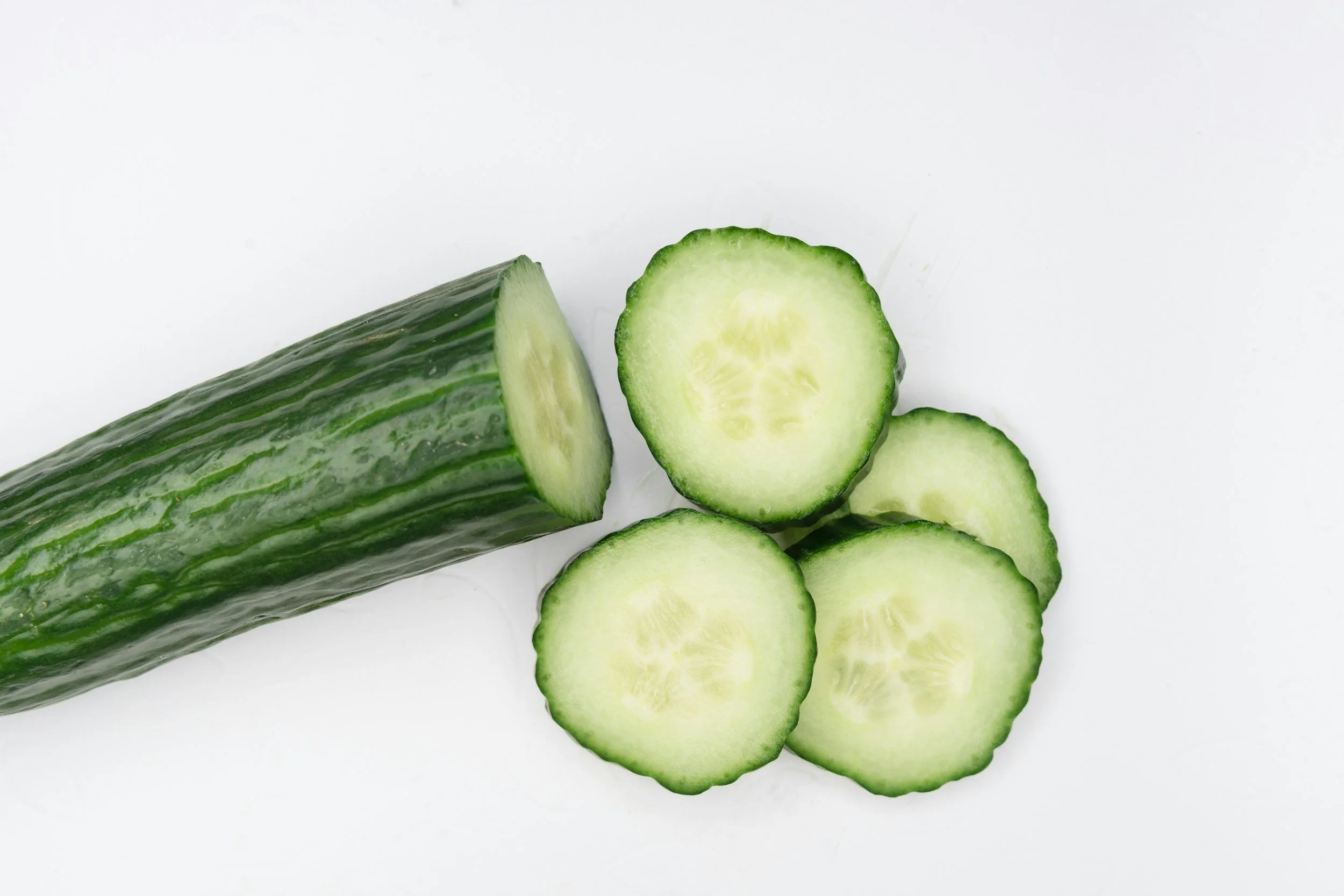
Cucumber
Zucchini
Carrot
Sweet potato
Squash
Rotate foods so your snail gets some variety, remove uneaten food before it spoils and keep a calcium source, such as cuttlebone, available at all times.
Avoid salt, onions, garlic, citrus, spicy foods and anything processed or seasoned.
Your snail is adorable. Your snail is cultured. Your snail is not a foodie influencer

Handling your snail
Snails are delicate little creatures, so gentle handling matters.
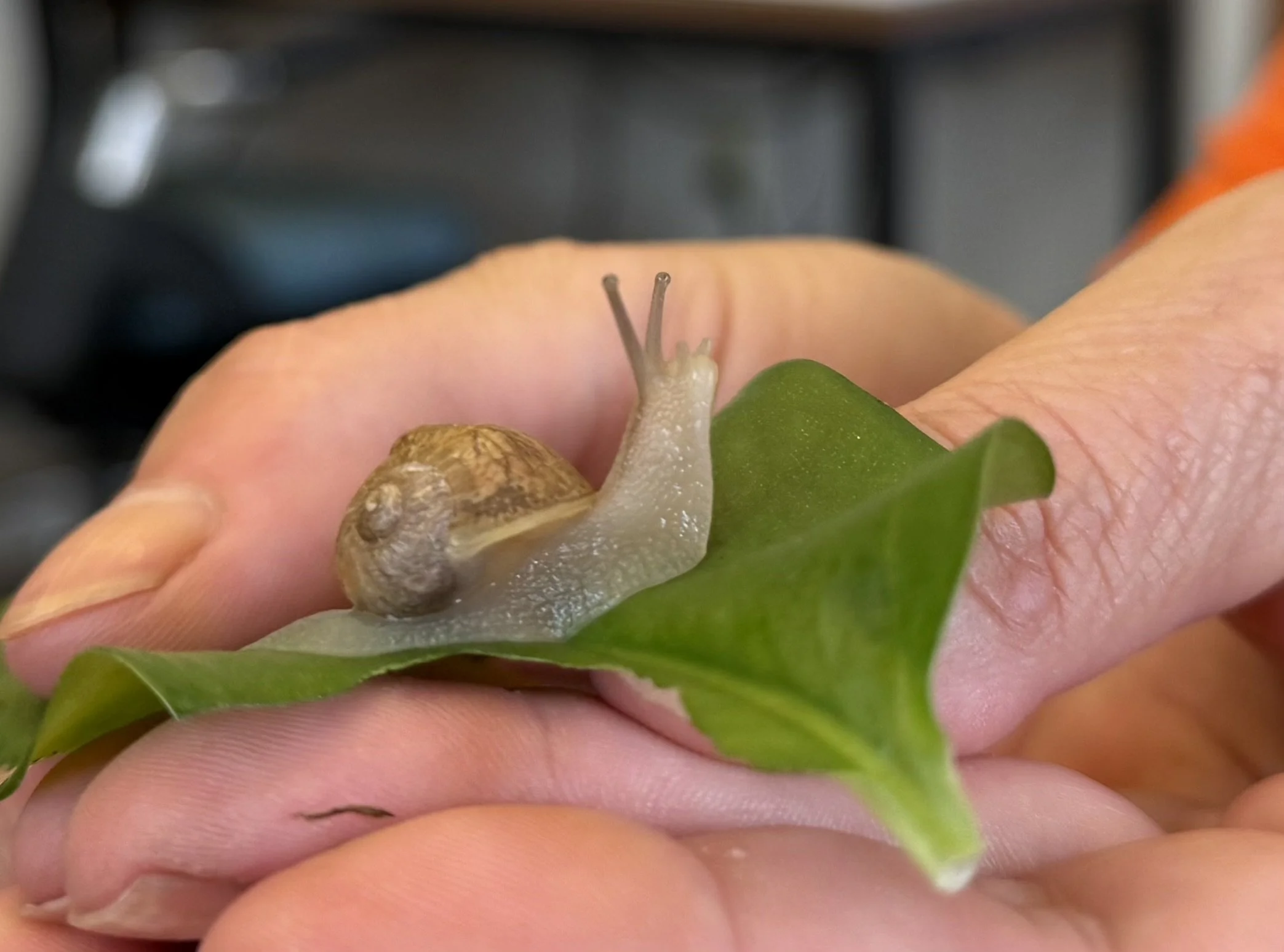
Wash your hands before and after handling your snail and make sure they are free of lotions, soaps, cleaners or other residue. Whenever possible, allow your snail to crawl onto your hand rather than pulling it away from a surface.
Support the body gently and avoid tugging near the shell opening.
And one very important rule: never release your snail outdoors.
“Is my snail supposed to be doing that?”
Probably.
Snails can sleep during the day, climb the enclosure walls, hide, burrow and occasionally seal the opening of their shell while resting. You may also see some extra slime or bubbles when a snail is stressed or exploring.
Pay closer attention if your snail stops eating for several days, develops an unusual odor or shell damage, becomes extremely dry or remains inactive under poor enclosure conditions.
When something seems off, start with the basics: humidity, temperature and food.